
Stronger Practice. Stronger Teams. Stronger Outcomes.
Reflecting on the 2026 FFT Partners Annual Supervisor Conference
Denver, Colorado | October 19–21, 2026
This October, Functional Family Therapy (FFT) supervisors, program directors, clinical leaders, and FFT Partners staff came together in Denver, Colorado, for the 2026 FFT Partners Annual Supervisor Conference.
Our theme, Stronger Practice. Stronger Teams. Stronger Outcomes., reflected a shared commitment to advancing Functional Family Therapy through deliberate practice, purposeful leadership, and a continued focus on strengthening families.
Over two days of learning, reflection, collaboration, and connection, we explored what it takes to deliver effective, sustainable, and high-quality FFT services in communities around the world.
Celebrating the Impact of FFT
One of the highlights of this year’s conference was the opportunity to reflect on the collective impact of FFT programs and the families they serve.
Through a review of our 2025 clinical outcomes, we celebrated the meaningful changes FFT teams are helping families achieve while examining what the data can teach us about effective clinical practice.
Our discussions reinforced two important lessons: Early momentum matters, and fidelity matters.
The work that happens early in treatment helps establish the foundation for meaningful change. Equally important is the consistent application of FFT principles throughout treatment.
We also had the opportunity to spotlight the accomplishments of our FFT colleagues in Australia, whose work demonstrated the impact that strong clinical practice and dedicated teams can have within their communities.
These conversations reminded us that outcomes are more than numbers. Behind every measure is a family, a therapist, and a team working toward lasting change.
Strengthening Clinical Practice Through Deliberate Practice
A central focus of this year’s conference was translating FFT principles into the everyday decisions therapists make with families.
We explored the importance of clinical intentionality, including how therapists orient themselves to the needs of a family, plan strategically within each phase of treatment, and respond effectively to interactions unfolding in real time.
Through discussions of orienting, clinical decision-making, and in-session interventions, participants examined how to move beyond simply understanding the model to consistently applying it with purpose.
Effective FFT practice is not simply knowing what to do. It is understanding why, when, and how to intervene to create meaningful change.
Our commitment to deliberate practice reflects the understanding that clinical expertise develops through ongoing reflection, feedback, and opportunities to strengthen skills.
Stronger Teams Begin with Stronger Learning Cultures
Clinical excellence does not happen in isolation.
One of our most important conversations focused on the role of organizational culture, clinical supervision, and leadership in creating environments where therapists can learn, grow, and thrive.
We explored how the everyday experiences of therapists—including the quality of supervision, opportunities for professional development, and sense of belonging within their teams—shape both clinical practice and staff retention.
A central message emerged:
Retention develops through daily interactions.
Strong teams are built through intentional leadership, supportive supervision, shared accountability, and a culture where learning is valued.
Participants reflected on their own team cultures and considered how small, purposeful changes in leadership and supervision can strengthen both the clinician experience and the quality of services delivered to families.
Using Evidence to Guide the Evolution of FFT
As FFT continues to grow across different communities, populations, and service systems, our commitment to evidence-informed innovation remains essential.
Throughout the conference, we explored the continued evolution of FFT, including refinements to clinical practice, emerging applications of the model, and opportunities to strengthen implementation.
We also engaged program directors in conversations about the relationship between model fidelity, program leadership, and clinical outcomes.
Our message was clear: Evidence should not simply demonstrate our success. It should help us understand where and how we can continue to improve.
By bringing together clinical experience, research, and real-world implementation data, we can continue strengthening FFT while maintaining the core principles that make the model effective.
The Power of Coming Together
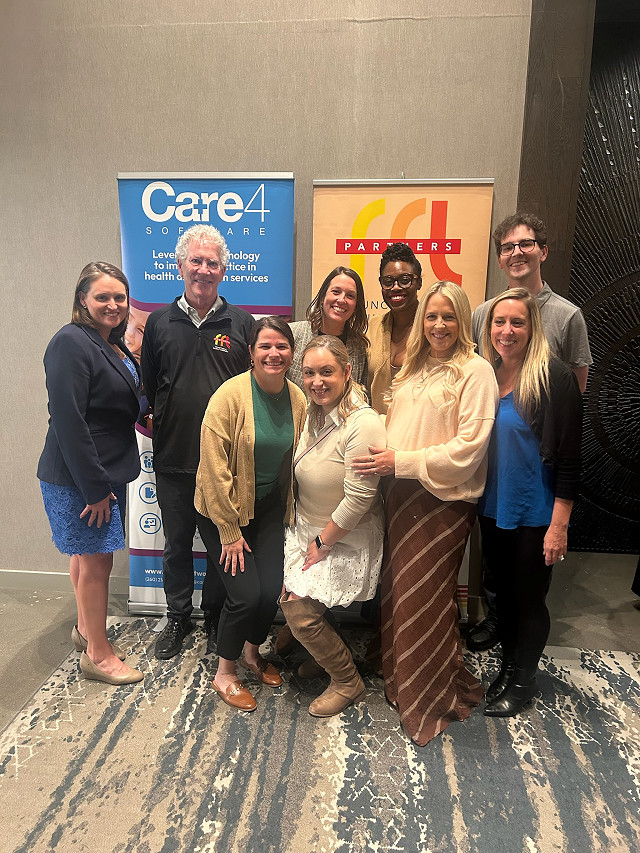
Beyond the presentations and learning activities, one of the most valuable aspects of the conference was the opportunity to connect.
Supervisors and leaders from different programs and communities shared their experiences, celebrated successes, discussed challenges, and learned from one another.
These connections remind us that while FFT teams may work in different settings and serve different populations, we are united by a common purpose: helping families build stronger relationships, overcome challenges, and create lasting change.
Moving Forward Together
As we reflect on this year’s conference, we are grateful for the dedication, expertise, and energy that every participant brought to Denver.
The success of Functional Family Therapy depends on the people who bring the model to life every day—therapists, supervisors, program directors, and organizational leaders who remain committed to helping families succeed.
Thank you to everyone who joined us, contributed to the conversations, and continues to advance the work of FFT in their communities.
We leave this year’s conference inspired by what we have accomplished together and energized by the opportunities ahead.
Stronger Practice. Stronger Teams. Stronger Outcomes.
Together, we will continue advancing FFT through deliberate practice and purposeful leadership to strengthen families.
— FFT Partners